
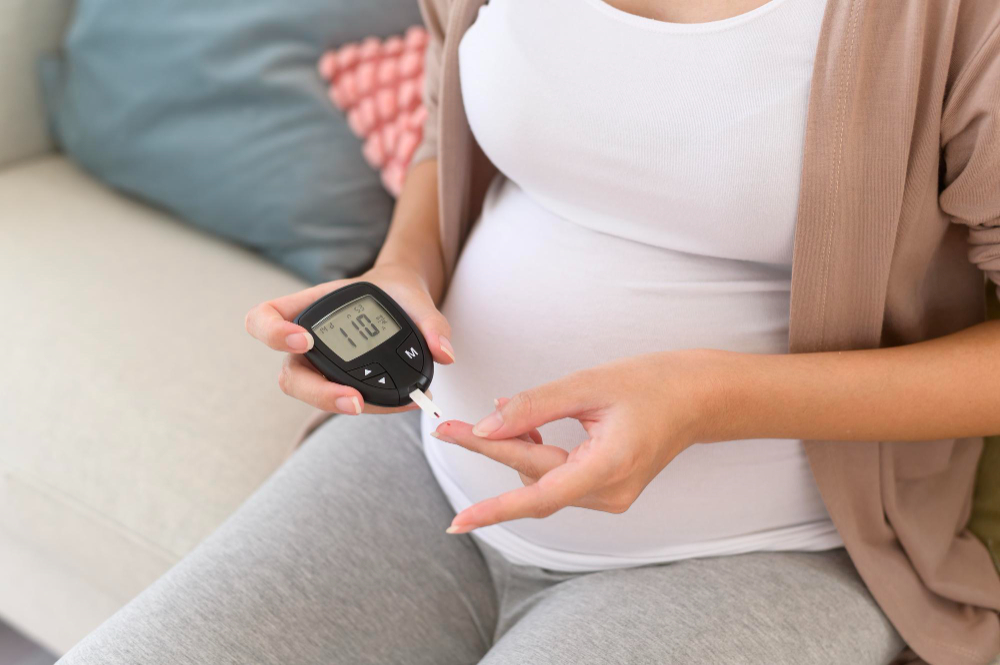
What Is Gestational Diabetes?
Gestational diabetes is a type of diabetes that develops during pregnancy. It means your blood sugar, or glucose, is higher than normal. Usually, this condition starts in the second half of pregnancy. For many women, it goes away after the baby is born. However, it can affect both mother and baby if not managed well. According to the CDC, about 2 to 10 percent of pregnancies in the United States are affected by gestational diabetes each year.
Why Is Sugar Testing Important During Pregnancy?
Regular sugar testing in pregnancy helps doctors find gestational diabetes early. Early detection allows for better control of blood sugar in pregnancy. As a result, both mother and baby stay healthier. In many places, such as city clinics or rural health centers, sugar testing is part of routine prenatal care. Because gestational diabetes often has no symptoms, testing is the only way to know if you have it. This is why doctors recommend a blood sugar test between 24 and 28 weeks of pregnancy.
Symptoms and Risk Factors of Gestational Diabetes
Often, gestational diabetes does not cause clear symptoms. Still, some women may notice:
Even if you feel fine, you may still be at risk. Some risk factors include:
Because these risks vary, your doctor may suggest early testing if you have any of them.
How Is Gestational Diabetes Diagnosed?
Doctors use a simple blood test to check for gestational diabetes. Usually, you will drink a sweet liquid, and then your blood sugar is measured. This is called a glucose challenge test. If your result is high, you may need a second test called the glucose tolerance test. Both tests help your doctor see how your body handles sugar. In many hospitals and clinics, these tests are routine for all pregnant women.
Treatment and Management Options
Managing gestational diabetes is important for your health and your baby’s health. Most women can control their blood sugar with healthy eating and regular activity. Sometimes, medicine or insulin shots are needed. Your care team will help you:
With regular check-ups, your doctor can adjust your plan as needed.
Tips for a Healthy Pregnancy With Gestational Diabetes
Even with gestational diabetes, you can have a healthy pregnancy. Here are some tips:
Because every pregnancy is different, your doctor may give you special advice based on your needs.
Preventing Complications for Mother and Baby
Proper care reduces the risk of problems from gestational diabetes. With good blood sugar control, you can help prevent:
In many areas, hospitals offer special support for mothers with gestational diabetes. Because care can differ by location, ask your healthcare provider about local resources. Following your care plan helps keep you and your baby safe.